



Over the past few weeks, Care Health Insurance in news headlines have caught the attention of policyholders, financial experts, and the wider insurance industry. Unlike routine announcements about new products or premium revisions, this time the insurer has been in the spotlight due to regulatory action by the Insurance Regulatory and Development Authority of India (IRDAI).
The development has raised important questions about claim settlement practices, transparency, and what policyholders should realistically expect from their health insurers. This article explains what happened, why it matters, and how it affects consumers — in simple, practical terms.
Why Care Health Insurance Is in the News Right Now
The immediate reason Care Health Insurance made headlines is a ₹1 crore penalty imposed by IRDAI. The regulator took action after identifying lapses in how the company handled certain health insurance claims and governance processes.
According to official disclosures and media reports, IRDAI’s inspection highlighted deficiencies in claims settlement procedures, particularly around how deductions were applied and communicated to policyholders. These issues were considered serious enough to warrant regulatory punishment.
As a result, Care Health Insurance in news reports quickly spread across business and personal finance platforms, sparking discussions among existing and prospective policyholders.
What Exactly Did IRDAI Find?
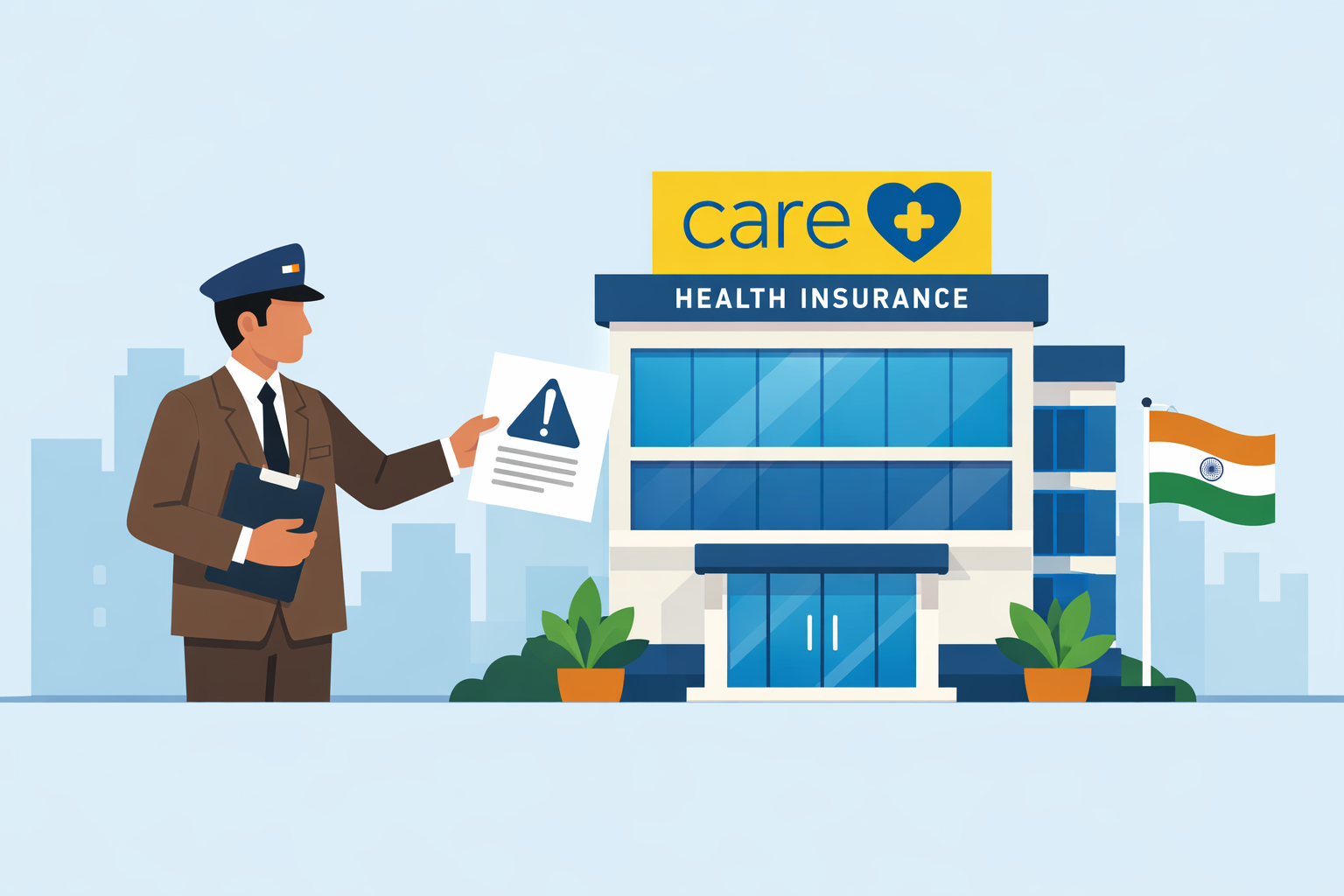

IRDAI is responsible for ensuring that insurance companies operate fairly, transparently, and in the best interest of consumers. In this case, the regulator pointed out multiple shortcomings, including:
1. Lack of Transparency in Claim Deductions
One of the key issues involved the way hospital discounts and deductions were factored into claim settlements. In certain cases, policyholders were not clearly informed about how these deductions affected their final payout.
From a consumer’s perspective, this creates confusion — especially when hospital bills do not explicitly show such discounts, but the insurer applies them while settling the claim.
2. Weak Governance and Internal Controls
IRDAI also flagged gaps in internal oversight and compliance mechanisms. Strong governance is critical in insurance, because even small process failures can significantly impact customers during medical emergencies.
These findings formed the basis of the penalty and explain why Care Health Insurance in news discussions have focused heavily on regulatory compliance rather than financial performance.
Claims Settlement Issues: Why They Matter So Much

Health insurance is fundamentally about trust. People buy policies with the expectation that claims will be handled fairly and promptly when they are most vulnerable.
When claim settlement practices come under scrutiny, it affects:
- Consumer confidence
- Brand credibility
- Policy renewal decisions
- Regulatory reputation
This is why claim-related issues tend to attract far more attention than pricing changes or marketing campaigns. The current spotlight on Care Health Insurance reflects this broader reality.
Is Care Health Insurance the Only Company Under Scrutiny?
No — and this point is extremely important.
While Care Health Insurance in news coverage appears prominent, IRDAI has been increasing its oversight across the entire health insurance sector. In recent times, multiple insurers have faced:
- Show-cause notices
- Regulatory warnings
- Penalties related to claim handling and mis-selling
This suggests a sector-wide tightening of compliance norms, rather than a problem unique to one insurer. Rising healthcare costs, increasing claim volumes, and frequent disputes between hospitals and insurers have pushed regulators to act more decisively.
What This Means for Existing Policyholders

If you already have a policy with Care Health Insurance, there is no need to panic. A regulatory penalty does not mean that existing policies are invalid or unsafe. However, it does underline the importance of being alert and informed.
Here’s what policyholders should take away:
1. Be Extra Careful During Claims
Track your claim status closely, ask for written explanations of deductions, and request a detailed settlement breakdown if anything seems unclear.
2. Know Your Rights
Under IRDAI guidelines, insurers must:
- Communicate claim decisions clearly
- Follow defined timelines
- Not reject claims solely due to minor documentation gaps
If you feel your claim has been treated unfairly, you have the right to escalate.
3. Grievance Redressal Is Your Safety Net
Every insurer has an internal grievance mechanism. If that fails, you can approach IRDAI through the Bima Bharosa portal or escalate the matter to the Insurance Ombudsman.
Understanding this process is crucial — especially when Care Health Insurance in news stories are centred around consumer protection.
How to Protect Yourself as a Health Insurance Buyer


Whether your policy is with Care Health Insurance or any other provider, these steps can help reduce claim-related stress:
Read the Policy Document Carefully
Pay close attention to:
- Sub-limits and co-payments
- Waiting periods
- Exclusions
- Network hospital rules
Many disputes arise simply because policyholders are unaware of these details.
Maintain Proper Documentation
Always keep:
- Original hospital bills
- Discharge summaries
- Prescriptions
- Diagnostic reports
Clear documentation strengthens your case during claim settlement.
Choose Network Hospitals When Possible
Cashless treatment at network hospitals usually involves fewer complications than reimbursement claims.
Why This News Is Actually Good for Consumers
While penalties and regulatory actions may sound alarming, they often signal positive change. Strong enforcement encourages insurers to:
- Improve transparency
- Strengthen internal controls
- Treat policyholders more fairly
In the long run, developments like these help create a healthier insurance ecosystem. The attention around Care Health Insurance in news is part of a broader push toward accountability in the industry.
Final Thoughts
The reason Care Health Insurance in news has generated so much discussion is not just the ₹1 crore penalty itself, but what it represents — a clear message from regulators that claim settlement practices will be closely monitored.
For policyholders, this is a reminder to stay informed, read policy documents carefully, and assert their rights when needed. Health insurance works best when both insurers and consumers are equally vigilant.
FAQs
1. Why is Care Health Insurance in news?
Care Health Insurance is in news due to regulatory action by IRDAI, which imposed a ₹1 crore penalty for lapses in claim settlement processes and governance practices.
2. Does this affect existing Care Health Insurance policies?
No, existing policies remain valid. However, policyholders should be more vigilant during claim settlement and understand their policy terms clearly.
3. Can IRDAI penalties impact future claims?
Indirectly, yes. Regulatory action often pushes insurers to improve processes, which can benefit policyholders in the long run.
4. What should I do if my claim is rejected unfairly?
First approach the insurer’s grievance cell. If unresolved, escalate the matter through IRDAI’s Bima Bharosa portal or the Insurance Ombudsman.
5. Are other insurers also under regulatory scrutiny?
Yes. IRDAI has increased oversight across the health insurance sector, and several insurers have faced notices or penalties in recent years.