



In India, we treat our parents’ health as our top priority, but the insurance market doesn’t always make it easy. For years, “sugar” and “BP” were the two words that made insurance agents run away or insurers reject applications. But things have changed. Thanks to new IRDAI rules in 2026, having a chronic condition is no longer a deal-breaker—it just requires a smarter strategy.
In this guide, I’m going to share the exact plans I recommend and the “fine print” secrets I’ve found while dissecting policy wordings.
The “Chronic Condition” Reality Check
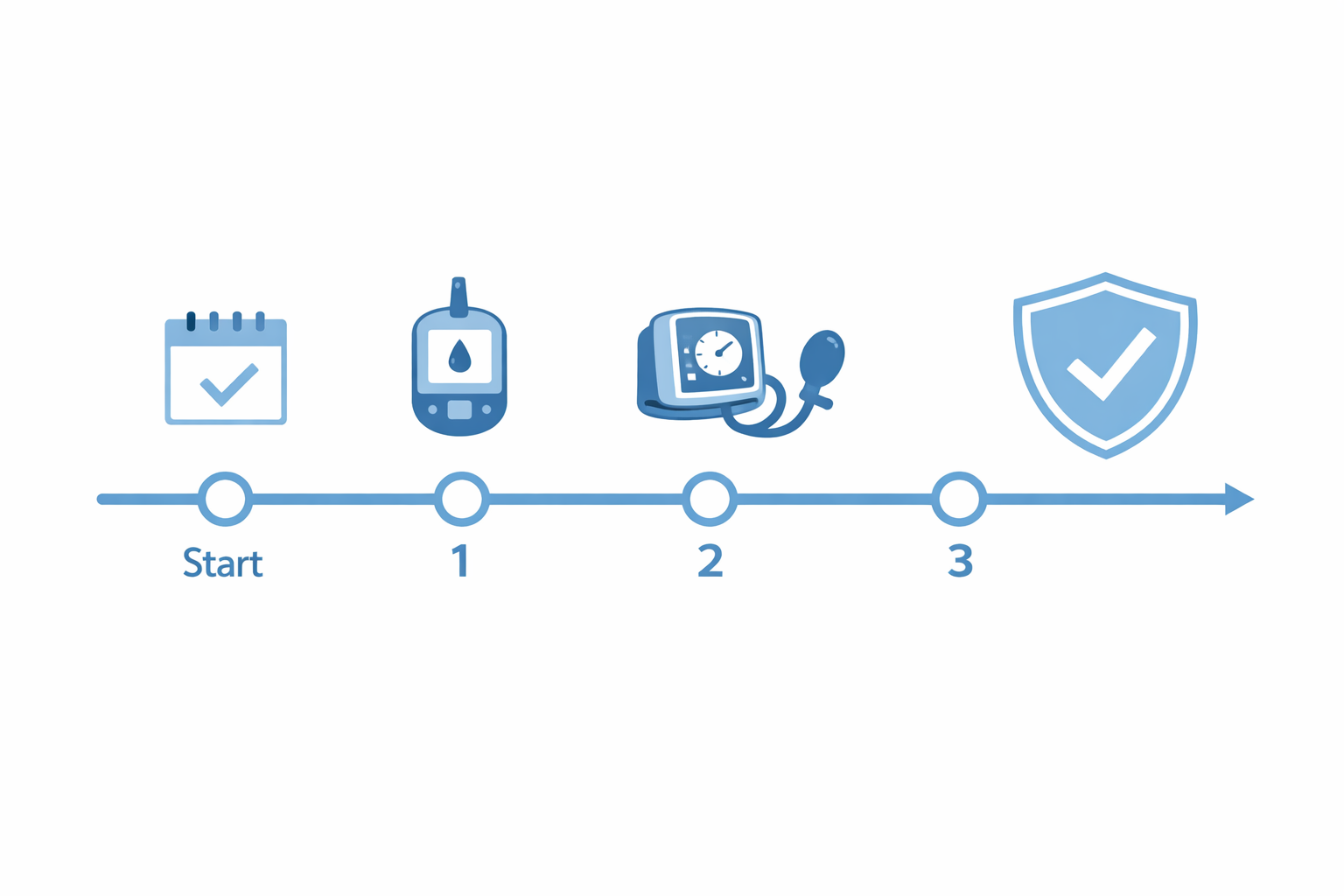

Let’s be honest: Diabetes and hypertension are considered Pre-Existing Diseases (PED). Most standard policies will ask you to wait 2 to 4 years before they pay for anything related to these conditions.
If your father is hospitalized for a heart issue caused by high BP during year two, a standard policy might reject the claim. This is why you need to understand the “waiting game.” I’ve explained the math behind this in my previous post on Why Health Insurance Has Waiting Periods?—it’s worth a quick read before you finalize any plan.
Best Health Insurance for Parents with Diabetes and Hypertension: My Top Picks
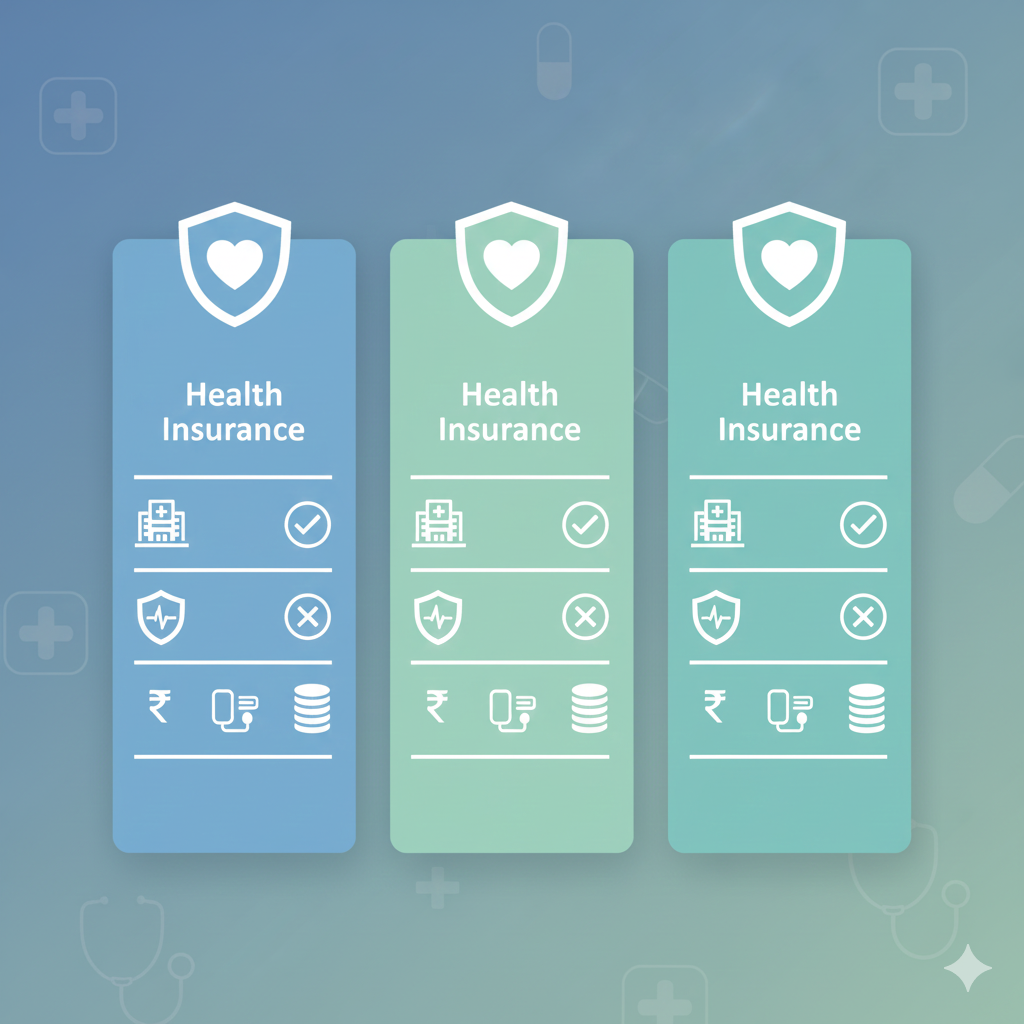
Here are the plans that actually stand out in the 2026 Indian market for managing chronic risks.
1. Star Health – Diabetes Safe Insurance Policy
This remains a “gold standard” for a reason.
-
The Real Benefit: If you choose “Plan A,” there is zero waiting period for diabetes complications.
-
Sandy’s Take: This is perfect if your parents were recently diagnosed and you want immediate peace of mind. Just be prepared for a slightly higher premium.
2. HDFC ERGO – Energy Diabetes Plan
I like this plan because it treats health like a partnership, not just a transaction.
-
The Innovation: They have a wellness program where if your parents keep their HbA1c and BP under control, they give you a discount on the renewal.
-
The Goal: It’s great for parents who are proactive about their diet and exercise.

3. Care Health – Care Freedom
Care Freedom is designed for the “high-risk” category—seniors with diabetes, high BMI, or hypertension.
-
Why I recommend it: They often skip the intensive pre-policy medical check-up (depending on the sum insured).
-
Author’s Note: If your parents are older and find hospital visits for check-ups exhausting, this “no-medical” route is a lifesaver.
4. Niva Bupa – ReAssure 2.0 (with PED Rider)
This isn’t a dedicated diabetes plan, but their “Waiting Period Modifier” rider is a game-changer. It can bring a 3-year wait down to just 30 days.
-
Pro Tip: Combined with their “ReAssure” benefit (which refills your cover if you use it up), this is excellent for recurring hospitalizations. Understanding how this works is easier once you grasp What Is Risk Pooling in Health Insurance?.
The “Sandy Verdict”: 3 Traps to Watch Out For
I’ve seen too many Indian families get their claims rejected because they didn’t read the small text. Here is what you MUST check:
1. The “Room Rent” Trap
Imagine your sum insured is ₹5 Lakh, but your policy has a 1% room rent cap. If you pick a room that costs ₹7,000 (standard in most private hospitals in Delhi or Bangalore), the insurer won’t just ask you to pay the extra ₹2,000 for the room. They will reduce your entire bill proportionately. I wrote a deep dive on this nightmare here: What is Room Rent Capping in Health Insurance?.
2. The “Co-Payment” Burden
Many senior citizen plans have a 20% co-pay. If a knee replacement costs ₹4 Lakh, you have to pay ₹80,000 out of your own pocket. Always try to find a “Zero Co-pay” plan, even if the premium costs a few thousand more.
3. The Honesty Policy
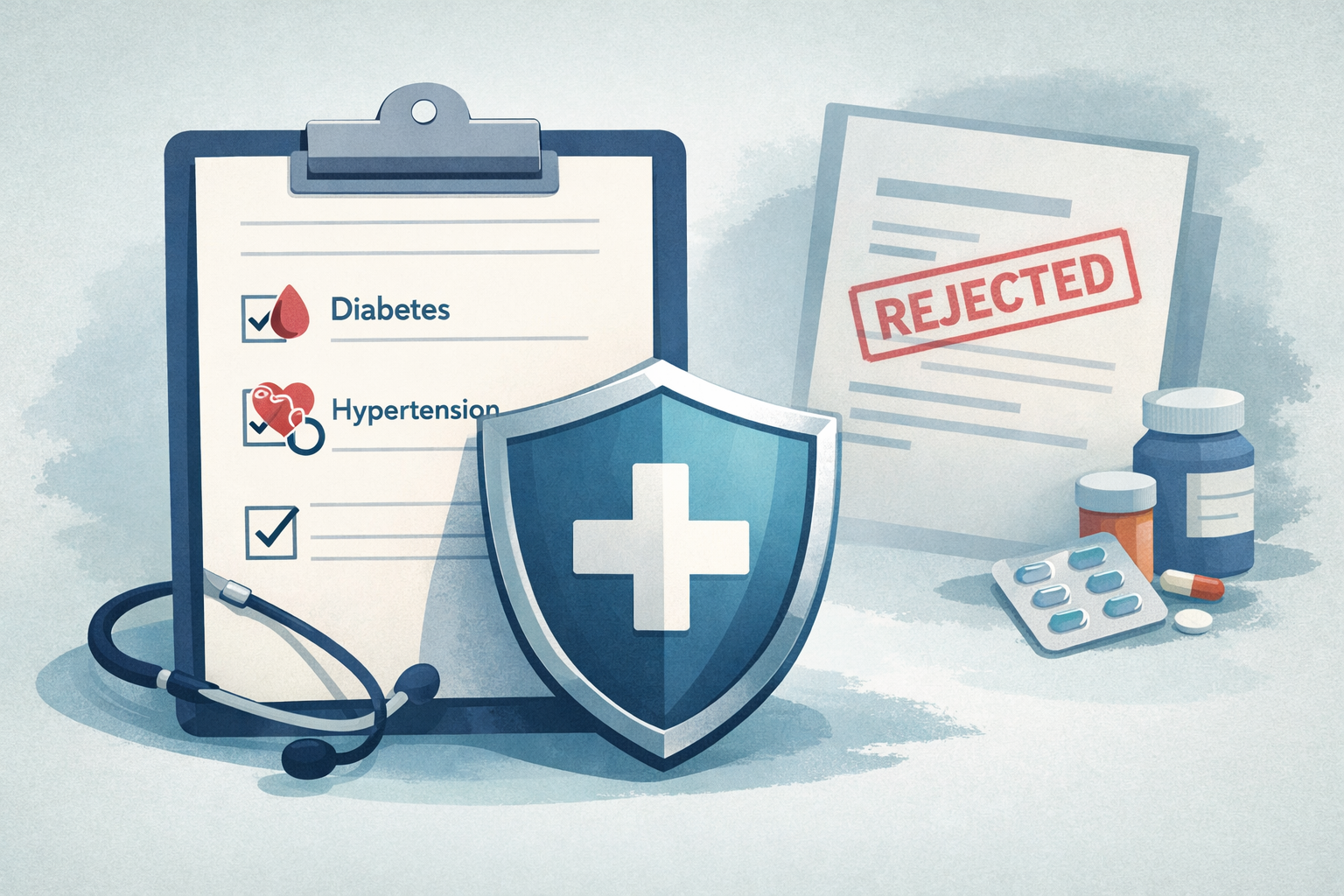
I cannot stress this enough: Do not hide your parents’ medical history. I know some agents suggest “keeping it quiet” to get a lower premium, but as I explained in Should I Hide Pre-Existing Diseases?, the insurer will find out during the claim investigation, and they will reject everything.
Final Advice from Finlopedia
Choosing the best health insurance for parents with diabetes and hypertension isn’t about finding the lowest premium. It’s about finding a plan that doesn’t have a “Room Rent Cap” and has a massive network of hospitals near your house.
If you’re still feeling overwhelmed, start with my this post to get your basics right.
Have a specific question about a plan you saw online? Drop a comment below—I read every single one!
Frequently Asked Questions (FAQs)
1. Is it possible to get insurance for a parent already on insulin?
Yes, it is. Plans like Star Diabetes Safe are specifically built for insulin-dependent Type 1 and Type 2 diabetics. Expect a “loading charge” (a slightly higher price), but coverage is available.
2. What does the IRDAI say about waiting periods in 2026?
Per IRDAI guidelines, the maximum waiting period for any pre-existing disease is now capped at 3 years, but many competitive plans offer riders to reduce this to 1 year or even 30 days.
3. Should I buy a separate policy for my parents or add them to my corporate plan?
Corporate plans are great because they usually have “Day 1” cover. However, if you switch jobs, that cover vanishes. I always suggest a dedicated “Retail” policy for parents. Check out my guide on How health insurance works when you switch jobs for the full picture.
4. Does the policy cover the cost of a BP monitor or Glucometer?
Usually, no. These are considered “consumables.” However, some modern plans with an OPD Rider may reimburse the cost of diagnostic tests and even certain medical devices.
5. Which city has the highest premiums for parents?
In India, insurance is “Zonal.” If you live in a Zone 1 city like Mumbai, Delhi, or Bangalore, your premium will be 10-20% higher than in a Tier-2 city because hospital costs in Metros are much higher.