



You bought a ULIP with good intentions—insurance plus investment, all in one product. Two years later, reality looks different. Cash flow is tight, returns feel underwhelming, or your priorities have shifted. And now a very specific question is bothering you:
What happens if I stop paying ULIP premium after 2 years?
This article answers that question clearly, without jargon, sales pressure, or sugar‑coating—so you fully understand what happens if I stop paying ULIP premium after 2 years and what it means for your money. We’ll look at what actually happens to your policy, your money, your taxes, and your options—so you can make a calm, informed decision.
A Quick, Clear Explanation of What a ULIP Actually Is


A ULIP (Unit Linked Insurance Plan) is a hybrid product. It combines:
-
Life insurance (a death benefit)
-
Market-linked investment (equity, debt, or balanced funds)
Every premium you pay is split into parts:
-
A portion goes toward life cover
-
A portion is invested in funds you choose
-
A portion is deducted as charges (allocation charges, policy charges, fund management fees, etc.)
Why this structure matters
ULIPs are front-loaded with charges.
-
In the first 2–3 years, charges are highest
-
Actual investing efficiency improves only after several years
-
This is why ULIPs are designed to be held for 10–15 years, not treated like short-term investments
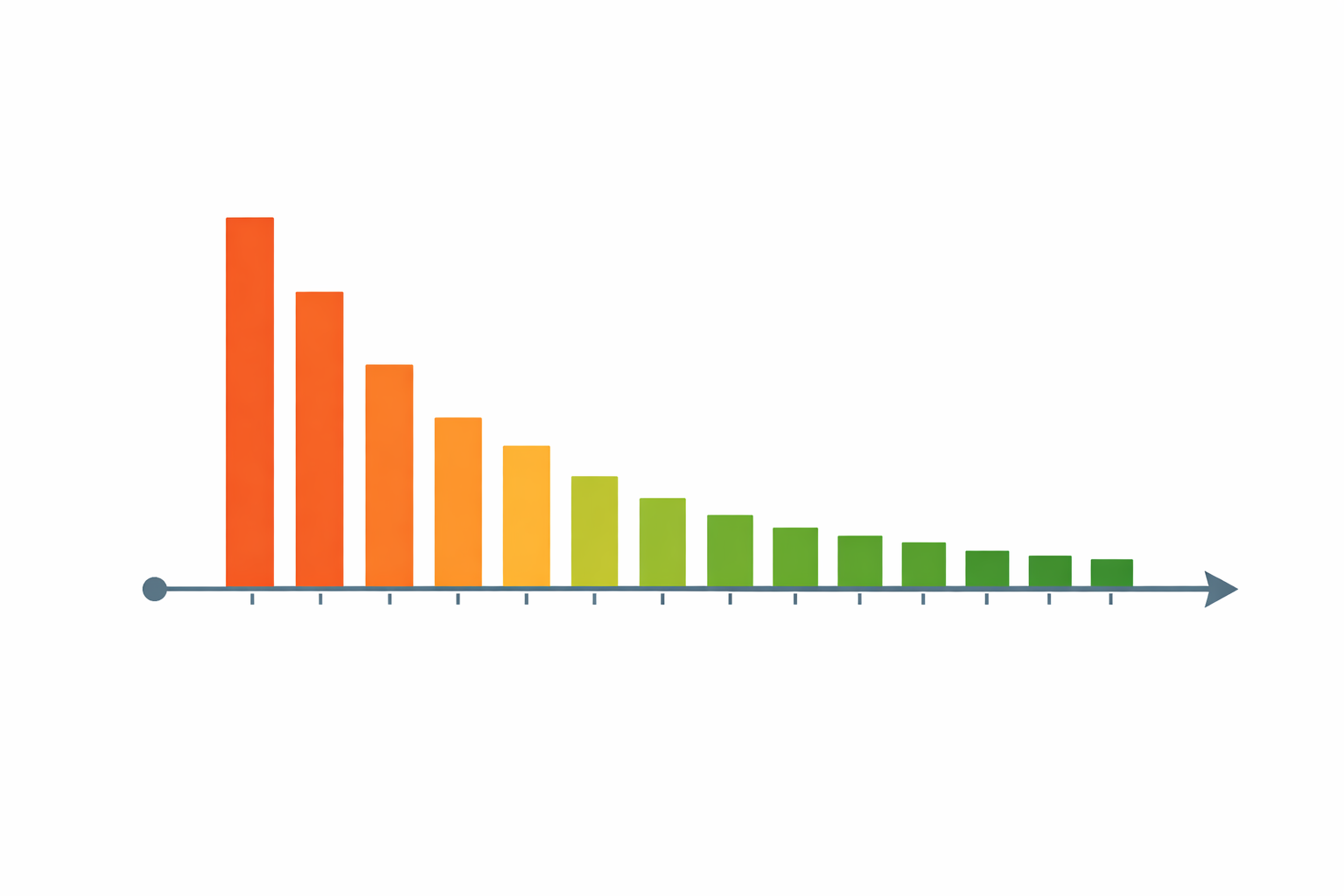
When you ask what happens if I stop paying ULIP premium after 2 years, you’re essentially exiting after paying most of the costs but before the compounding phase begins.
ULIPs are not “bad”—they are just rigid
ULIPs work reasonably well only if:
-
You stay invested long-term
-
You’re comfortable with limited flexibility
-
You don’t need liquidity in the first 5 years
They work poorly if:
-
Cash flow is uncertain
-
You want flexibility
- You expect early exits without penalties
Understanding this structure helps explain why stopping early leads to discontinued funds, charges, lock-ins, and tax reversals—it’s not punishment, it’s how the product is built.
What Happens If I Stop Paying ULIP Premium After 2 Years?
When you stop paying ULIP premiums after two years (and miss the 30‑day grace period), your policy does not get cancelled immediately. Instead, the insurer treats it as a discontinued policy.
Here’s what happens step by step:
- Your life insurance cover stops
- Your accumulated fund value is moved out of market-linked funds
- The money is transferred to a Discontinued Policy Fund (DPF)
- You cannot withdraw the money until the 5‑year lock‑in period ends
So yes, your money is still there—but it’s no longer working the way it used to.
What Is the Discontinued Policy Fund?

The Discontinued Policy Fund exists only for ULIPs where premiums are stopped before completing five years.
When your ULIP is active, your money may be invested in equity, debt, or balanced funds. These are market‑linked and aim for growth. Once you stop paying premiums, the insurer moves your fund value into the DPF.
Key characteristics of the Discontinued Policy Fund
- Very low risk, very low return: The fund invests conservatively
- Guaranteed minimum interest: As per IRDAI rules, insurers must offer at least the SBI savings bank rate (around 2.7% in 2026)
- Ongoing charges apply: Fund management charges continue even though premiums stop
- No market upside: You lose exposure to equity or higher‑return assets
Think of it as a parking lot for your money—not a growth engine.
Charges You Will Pay After Stopping Premiums
This is where many people are caught off guard.
1. Discontinuation (Surrender) Charges
When your policy becomes discontinued, the insurer deducts a one‑time discontinuation charge from your fund value.
Typical ranges:
- Year 1: Up to 20% of premiums paid
- Year 2–3: Usually 2%–6% of total premiums paid
Example:
If you paid ₹25,000 per year for two years (₹50,000 total), discontinuation charges may be around ₹2,000–₹3,000.
2. Ongoing Fund Management Charges
Even after moving to the discontinued policy fund, annual fund management charges (around 1–1.5%) continue to be deducted for the remaining lock‑in period.
Over three years, these charges can quietly erode a meaningful portion of your fund value.
The 5‑Year Lock‑In: No Early Exit

This is non‑negotiable.
Even if you stop paying ULIP premiums after 2 years:
- You cannot withdraw your money immediately
- You must wait until 5 years from policy start date
- This means your money stays locked for another 3 years
The lock‑in rule applies to all ULIPs, regardless of insurer or plan type.
What Will You Actually Get After 5 Years?
When the 5‑year lock‑in ends, you can withdraw the full discontinued fund value.
What that amount usually looks like:
- Original investment
- Minus discontinuation charges
- Minus ongoing fund management charges
- Plus low guaranteed interest from the DPF
In many real‑world cases, investors receive:
- Less than expected
- Sometimes even less than the total premiums paid
This outcome is especially common when ULIPs are stopped early, before charges taper down.
Can You Restart (Revive) the ULIP Later?
Yes—this is one of the few flexible parts of the system.
Most insurers allow a revival window of 2–3 years from the date of the first missed premium.
To revive your policy, you usually need to:
- Pay all missed premiums in one lump sum
- Pay applicable interest on delayed premiums
- Possibly undergo a medical check‑up
What happens after revival?
- Your policy becomes active again
- Your fund moves back into market‑linked options
- Discontinuation charges are compensated via NAV adjustments
Revival makes sense only if your cash flow issues were temporary and you genuinely want to continue long‑term.
The Tax Impact Most People Miss
Stopping a ULIP early doesn’t just affect returns—it affects taxes too.
Section 80C Reversal
If you claimed 80C deductions for ULIP premiums:
- All deductions claimed in earlier years are reversed
- The amount is added to your taxable income in the year of discontinuation
Loss of Section 10(10D) Exemption
- Maturity proceeds from a discontinued ULIP lose tax‑free status
- The withdrawn amount becomes taxable as per your income slab
This double tax hit can significantly reduce what you finally receive.
Should You Stop Paying or Continue?
There’s no universal answer—but these questions help clarify your decision.
1. Is the problem temporary or permanent?
- Temporary cash crunch: Revival or adjustment may make sense
- Structural issue (high charges, wrong product): Stopping may be better
2. What does your fund value look like today?
If returns are already weak after two years, continuing may only recover past losses rather than create real growth.
3. Do you have a better alternative?
Stopping makes sense only if the freed‑up premium is used wisely—such as:
- Paying high‑interest debt
- Investing in low‑cost mutual funds
- Building emergency savings
Stopping without a plan often creates more financial stress, not less.
A Hard Truth About ULIPs
ULIPs are long‑term products by design.
- First 3–5 years: High charges
- Years 6–10+: Potential for meaningful compounding
When you stop at year 2, you absorb most of the costs but exit before benefits appear. That doesn’t make you careless—it makes you human. Many people buy ULIPs without fully understanding the commitment.
What matters now is making the least damaging decision going forward.
The Bottom Line: What Happens If I Stop Paying ULIP Premium After 2 Years?


Here’s the clean summary of what happens if I stop paying ULIP premium after 2 years:
- Life cover stops
- Fund moves to a low‑return discontinued policy fund
- Discontinuation charges are deducted
- Fund management charges continue
- Money stays locked until 5 years
- Tax benefits are reversed
- Revival is possible within 2–3 years
Stopping a ULIP after two years isn’t the end of the world—but it’s rarely painless. The best decision is the one that aligns with your current reality, not the one that tries to justify a past choice.
Before deciding, get your latest policy statement and, if possible, speak to a fee‑only financial advisor who has no incentive to push you in either direction.
(if you want to know more about insurance, go here.)
FAQs
1. Can I withdraw ULIP money immediately after stopping premiums at 2 years?
No. The money remains locked until the 5‑year lock‑in ends.
2. Will I lose all my money?
No, but charges and low returns often reduce the final amount significantly.
3. Can I revive the policy later?
Yes, usually within 2–3 years, by paying missed premiums and interest.
4. Are tax benefits affected?
Yes. 80C deductions are reversed and maturity proceeds become taxable.
5. Is stopping always a bad idea?
Not always. If the ULIP no longer fits your goals, stopping may still be the smarter long‑term move.