
Medical emergencies don’t just test physical strength — they often place immense financial pressure on families. In India, hospitalisation costs can escalate rapidly, especially for households without private health insurance. To ease this burden for vulnerable citizens, the Government of Tamil Nadu introduced CMCHIS Tamil Nadu, a public health insurance scheme focused on providing affordable and cashless medical care.
Officially called the Chief Minister’s Comprehensive Health Insurance Scheme Tamil Nadu, this programme has grown into one of the most impactful state-run health insurance initiatives in the country. This guide explains how the scheme works, who can apply, what it covers, and why it continues to play a vital role in Tamil Nadu’s healthcare system.
What Is CMCHIS Tamil Nadu?
CMCHIS Tamil Nadu is a government-funded health insurance scheme that offers cashless hospitalisation to eligible residents of the state. Launched in 2009, the scheme has evolved over time with higher coverage limits, an expanded list of procedures, and broader eligibility criteria.
The primary goal of the scheme is to reduce out-of-pocket medical expenses for low-income families by covering the cost of major treatments, surgeries, and hospital care. Instead of worrying about arranging funds during a health emergency, beneficiaries can focus on receiving timely treatment.
Official scheme details are available on the Tamil Nadu government’s portal:
https://www.cmchistn.com
Who Is Eligible?
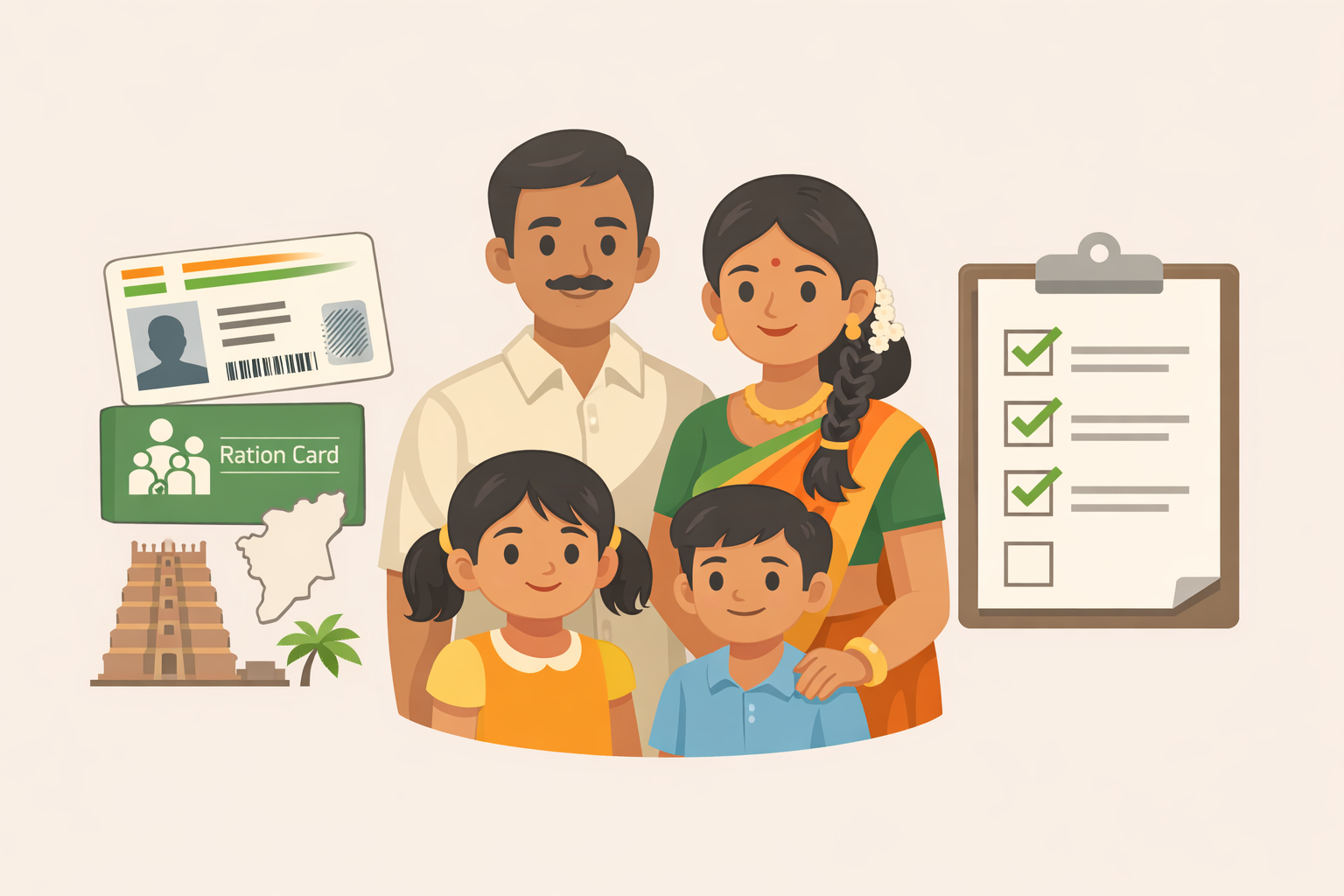
Eligibility under CMCHIS Tamil Nadu is based mainly on income and residency.
To qualify:
- The family must be a permanent resident of Tamil Nadu
- Annual family income should not exceed ₹1.20 lakh
- A valid ration card is required
- Aadhaar card and income certificate must be submitted
The scheme covers the entire family on a floater basis, including the head of the household, spouse, dependent children, and dependent parents. This structure ensures protection not just for individuals, but for households as a whole.
Coverage Amount and Financial Benefits
One of the biggest strengths of CMCHIS Tamil Nadu is its comparatively high coverage limit.
Each eligible family receives:
- Health insurance coverage of up to ₹5 lakh per year
- Floater-based coverage usable by any family member
The insured amount can be used for:
- Hospitalisation expenses
- Surgical procedures
- Diagnostic tests related to approved treatments
- Post-treatment follow-up care
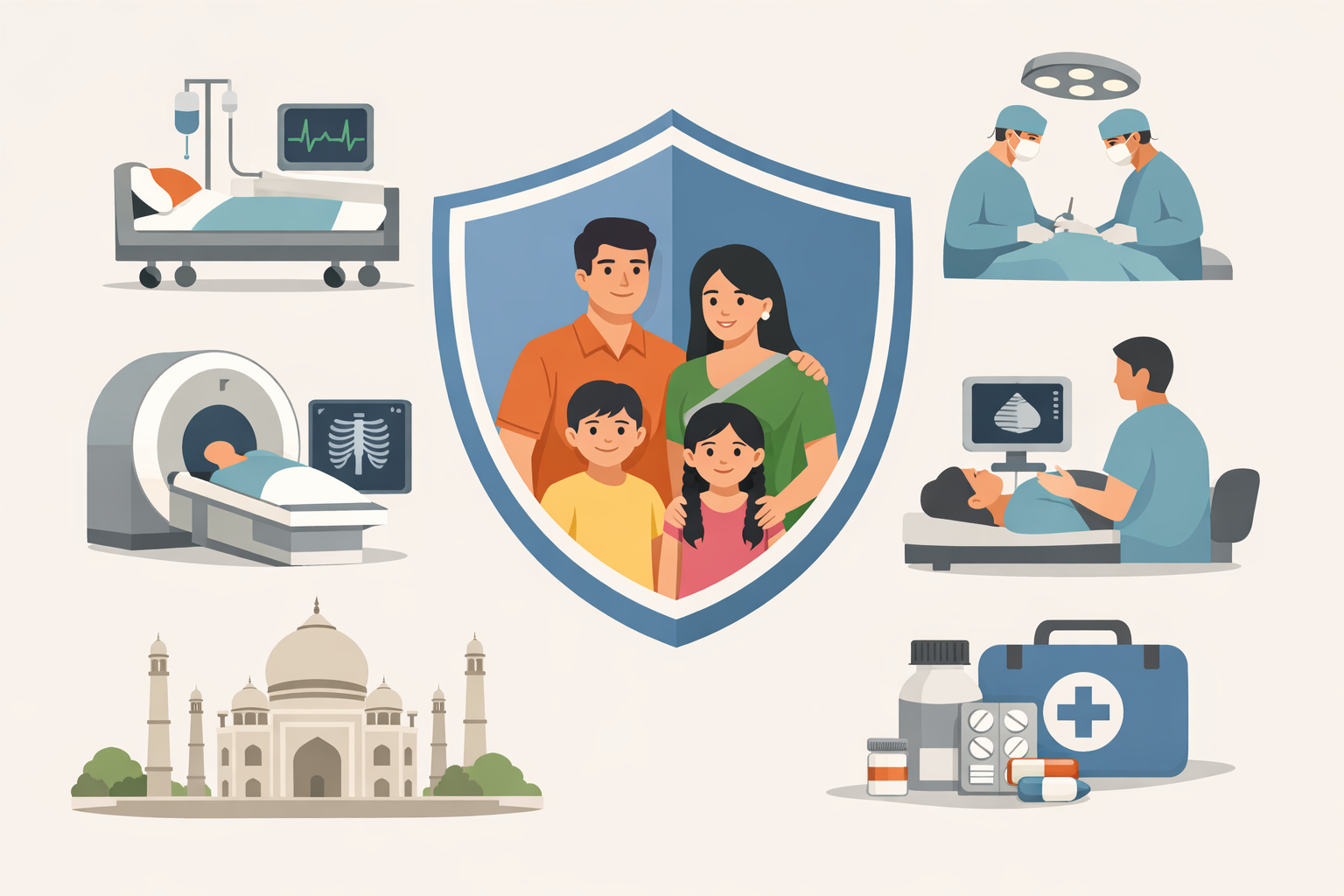
Because the cover is shared, a single family member can use the entire amount if required for critical treatment.
Cashless Treatment at Empanelled Hospitals
A key feature of CMCHIS Tamil Nadu is the availability of cashless treatment. Beneficiaries can access medical care without making upfront payments at empanelled hospitals across the state.
The process typically involves:
- Eligibility verification using the CMCHIS smart card or Aadhaar
- Pre-authorisation for selected procedures
- Direct settlement of bills between the hospital and the insurer
Tamil Nadu has one of the largest hospital networks under a state health insurance scheme, including both government and private hospitals. This ensures access to quality healthcare even in smaller towns and rural areas.

The official list of empanelled hospitals can be found here: https://www.cmchistn.com/hospitallist.php
Diseases and Procedures Covered
The scheme covers more than 2,000 medical and surgical procedures, focusing primarily on secondary and tertiary care — treatments that are often expensive without insurance.
Major categories include:
- Cardiac procedures such as angioplasty and bypass surgery
- Kidney treatments including dialysis and transplants
- Cancer care, including surgery, chemotherapy, and radiotherapy
- Neurological and neurosurgical procedures
- Orthopaedic surgeries
- Liver, bone marrow, and stem cell transplants
This extensive coverage makes the scheme particularly valuable for families facing serious or life-threatening health conditions.
What Is Not Covered?
While the scheme is comprehensive, certain treatments are excluded.
Common exclusions include:
- Outpatient consultations
- Cosmetic and aesthetic procedures
- Treatments not listed in the approved package list
- Care received at non-empanelled hospitals
Before planning non-emergency treatment, beneficiaries should always confirm whether the procedure is covered.
Hospital Network Across Tamil Nadu
The effectiveness of Chief Minister’s Comprehensive Health Insurance Scheme Tamil Nadu is closely linked to its wide hospital network. More than 1,800 hospitals — including government medical colleges, district hospitals, and private multi-specialty facilities — are empanelled under the scheme.
This network ensures:
- Better access to healthcare in rural and urban areas
- Reduced travel burden for patients
- Availability of specialised services in government hospitals
Public hospitals play a significant role in delivering care under the scheme, helping keep healthcare affordable.
How to Apply
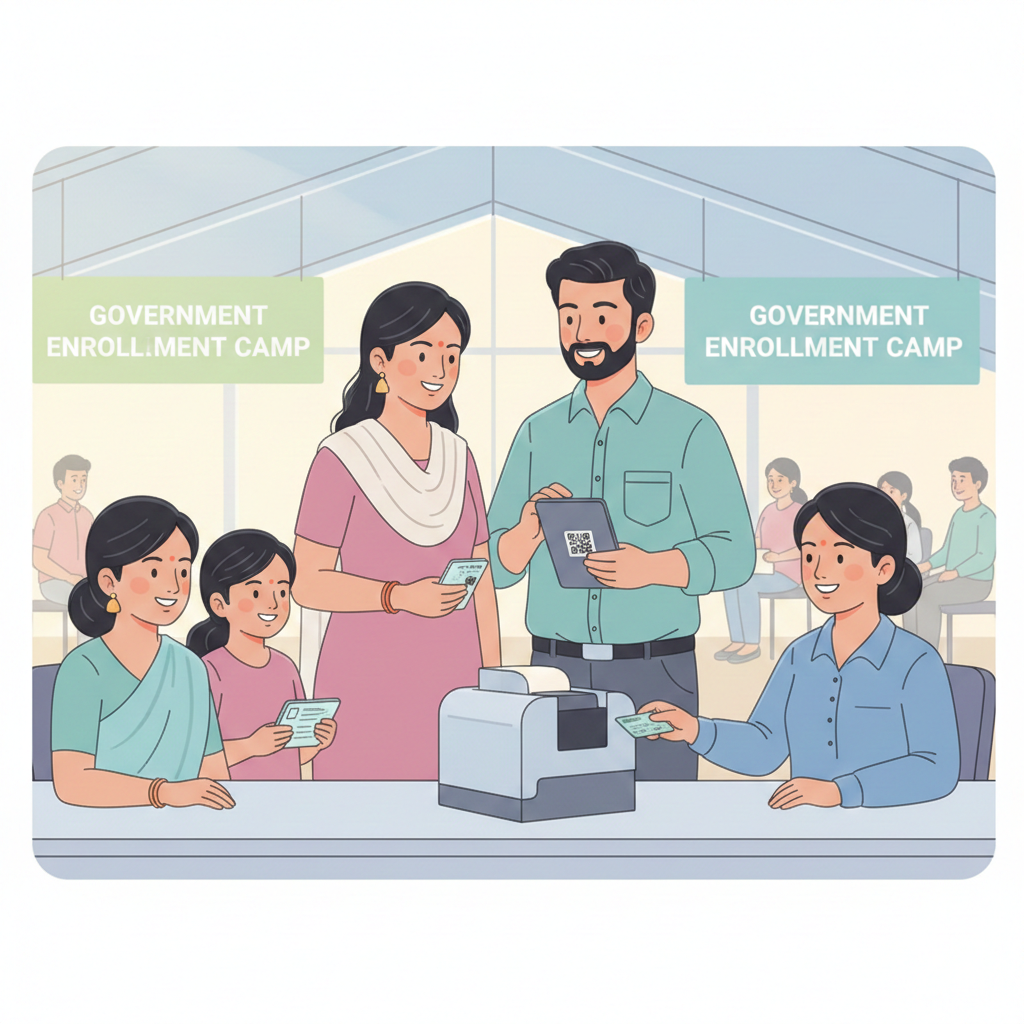
Enrollment is primarily conducted through offline channels to ensure proper verification.
The general process includes:
- Obtaining an income certificate from the Village Administrative Officer or revenue authority
- Submitting Aadhaar card, ration card, and family details
- Registering at authorised enrollment camps or district health offices
- Receiving the Chief Minister’s Comprehensive Health Insurance Scheme smart card after verification
The smart card serves as proof of coverage and must be presented at empanelled hospitals.
Recent Updates and Improvements
Over the years, Chief Minister’s Comprehensive Health Insurance Scheme Tamil Nadu has been strengthened through policy updates and increased funding.
Key improvements include:
- Raising the income eligibility limit to ₹1.20 lakh
- Increasing coverage to ₹5 lakh per family per year
- Expanding the list of covered procedures
- Including vulnerable groups such as senior citizens and persons with disabilities
These changes reflect the government’s effort to make the scheme more inclusive and responsive.
(read this article to compare CMCHIS Tamil Nadu with Punjab government’s mukh mantri seat bima yojna.)
Impact on Public Health

Since its launch, CMCHIS Tamil Nadu has benefited crores of families and reduced the financial stress associated with medical emergencies.
High-cost treatments such as dialysis, heart surgeries, and cancer care — once unaffordable for many — are now within reach for low-income households. The scheme has also encouraged earlier diagnosis and timely treatment, leading to better health outcomes.
Tamil Nadu’s health insurance model is often referenced in public health discussions across India. Broader information on government health programmes is available at:
https://www.nhp.gov.in
Why the Scheme Still Matters in 2026
With rising healthcare costs and limited access to private insurance, CMCHIS Tamil Nadu continues to act as a crucial safety net.
Its combination of:
- High coverage limits
- Cashless treatment
- Wide hospital network
- Focus on serious illnesses
makes it one of the most practical and impactful state health insurance schemes in India today.
Final Thoughts
CMCHIS Tamil Nadu is more than a welfare initiative — it is a financial lifeline during medical emergencies. By lowering the cost barrier to healthcare, the scheme enables families to seek treatment without the fear of long-term debt.
For eligible residents, understanding how the scheme works and how to use it effectively can make a meaningful difference when it matters most.
(FAQs)
1. What is Chief Minister’s Comprehensive Health Insurance Scheme Tamil Nadu?
It is a government-sponsored health insurance scheme that provides cashless hospitalisation and medical treatment to eligible low-income families in Tamil Nadu.
2. Who can apply for the scheme?
Residents of Tamil Nadu with an annual family income of up to ₹1.20 lakh and a valid ration card can apply, subject to verification.
3. How much coverage is provided?
The scheme offers coverage of up to ₹5 lakh per family per year on a floater basis.
4. Are private hospitals included?
Yes, beneficiaries can receive cashless treatment at both government and empanelled private hospitals.
5. How can I check whether a treatment is covered?
You can verify covered procedures through the official Chief Minister’s Comprehensive Health Insurance Scheme website, helpline, or by checking with an empanelled hospital before admission.